


THE “NON-CONTACT” RULE: THE KEY TO KEEPING ELECTRICAL ENGINEERS SAFE
In industrial electrical environments, risks never give a warning. A minor negligence during measurement can lead to unfortunate accidents. With the message “Fluke brings you home safely”, this May we will explore the “Non-contact” rule – an optimal protection method that helps technicians operate the system while maintaining a safe distance from hazards. 1. Non-contact […]
 04/05/2026
 Loriot
In industrial electrical environments, risks never give a warning. A minor negligence during measurement can lead to unfortunate accidents. With the message “Fluke brings you home safely”, this May we will explore the “Non-contact” rule – an optimal protection method that helps technicians operate the system while maintaining a safe distance from hazards.
1. Non-contact metal measurement: Breakthrough FieldSense technology
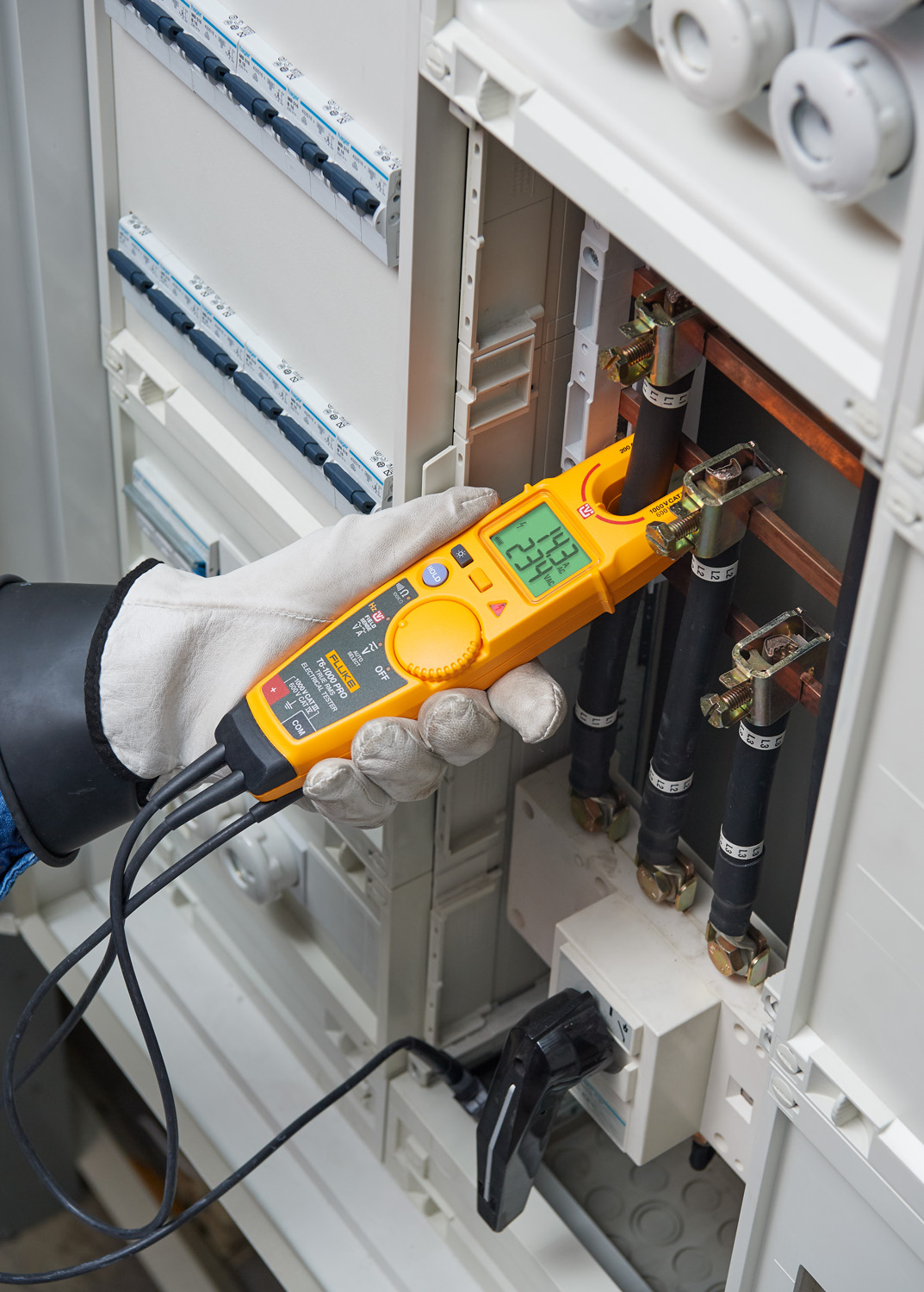
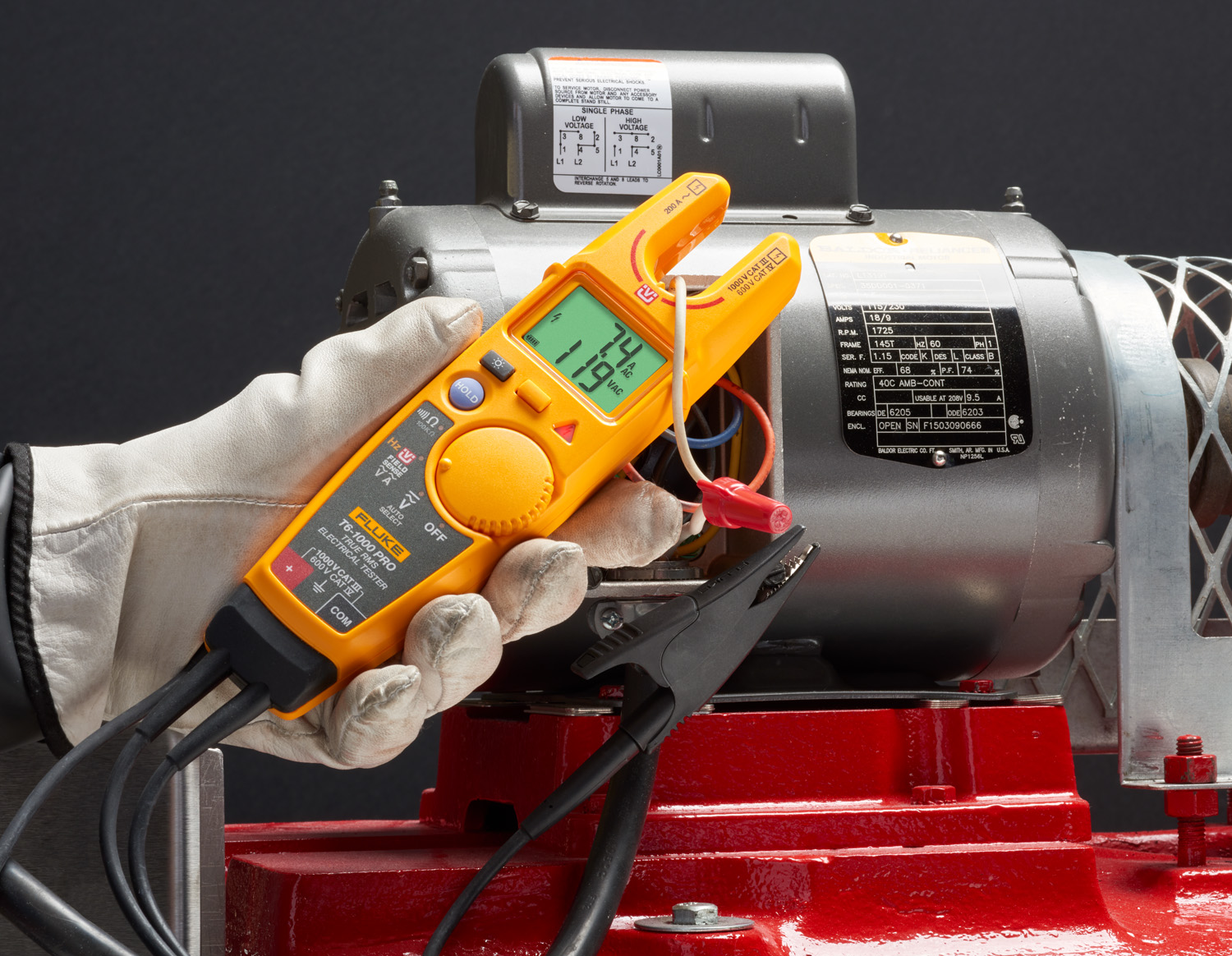
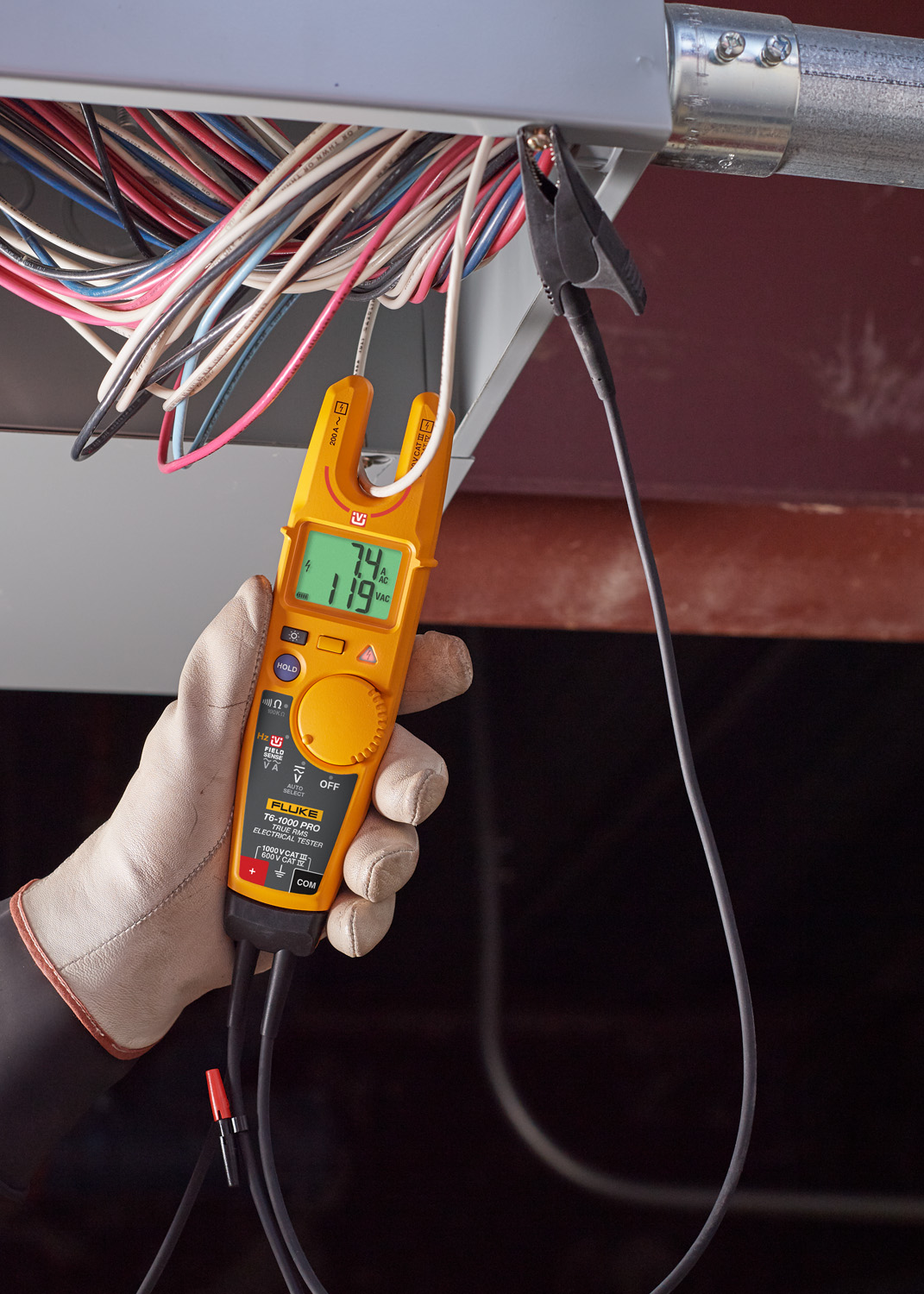
Instead of struggling to find metal contact points with test leads in cramped electrical cabinets, FieldSense technology allows you to measure AC voltage, AC current, and frequency simply by sliding the conductor into the open fork of the device.
Eliminating direct electrical contact not only speeds up operations but also significantly reduces the risk of Arc Flash, protecting users at CAT III 1000V and CAT IV 600V safety levels.

2. Remote temperature screening: Detecting risks before they become accidents
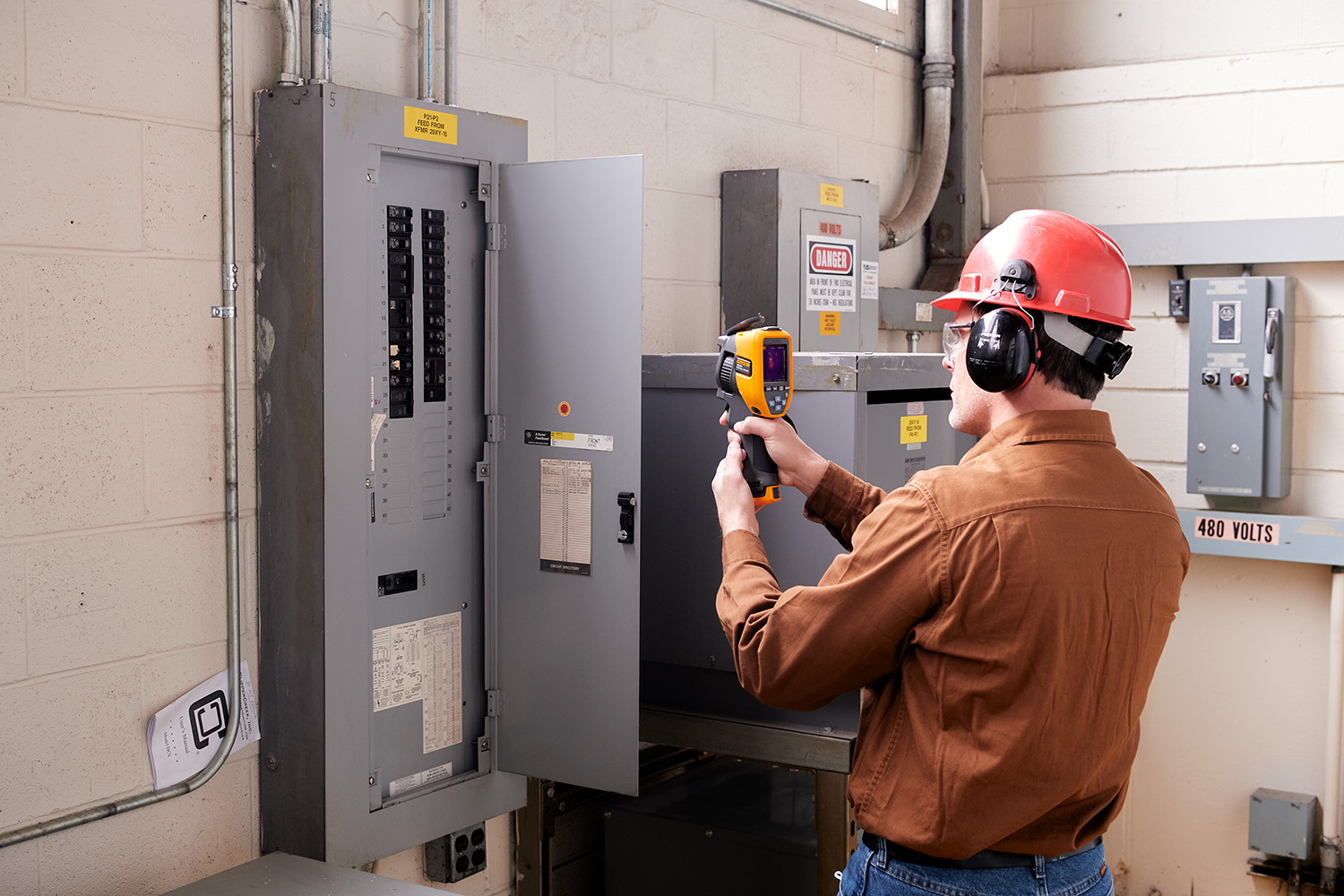
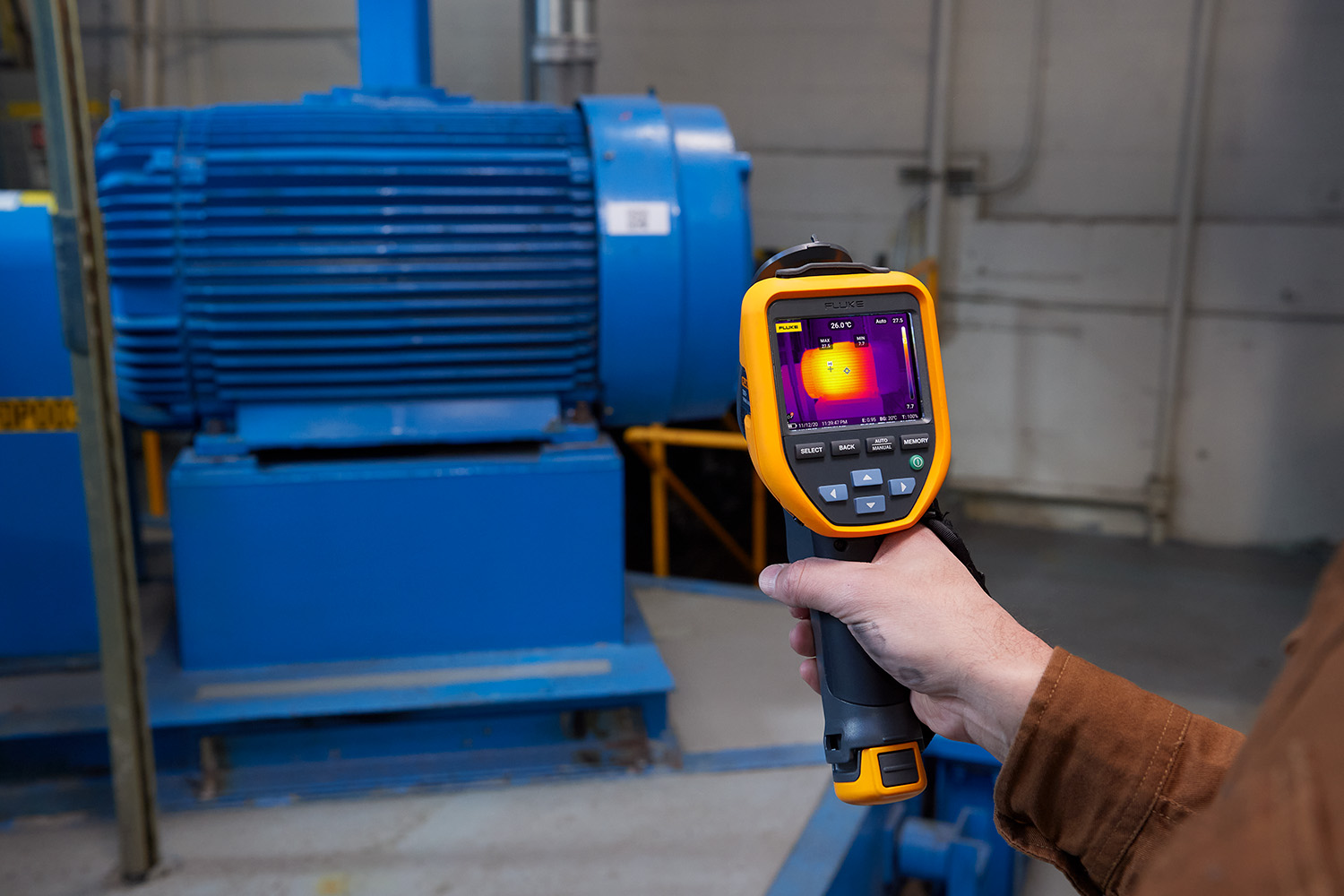
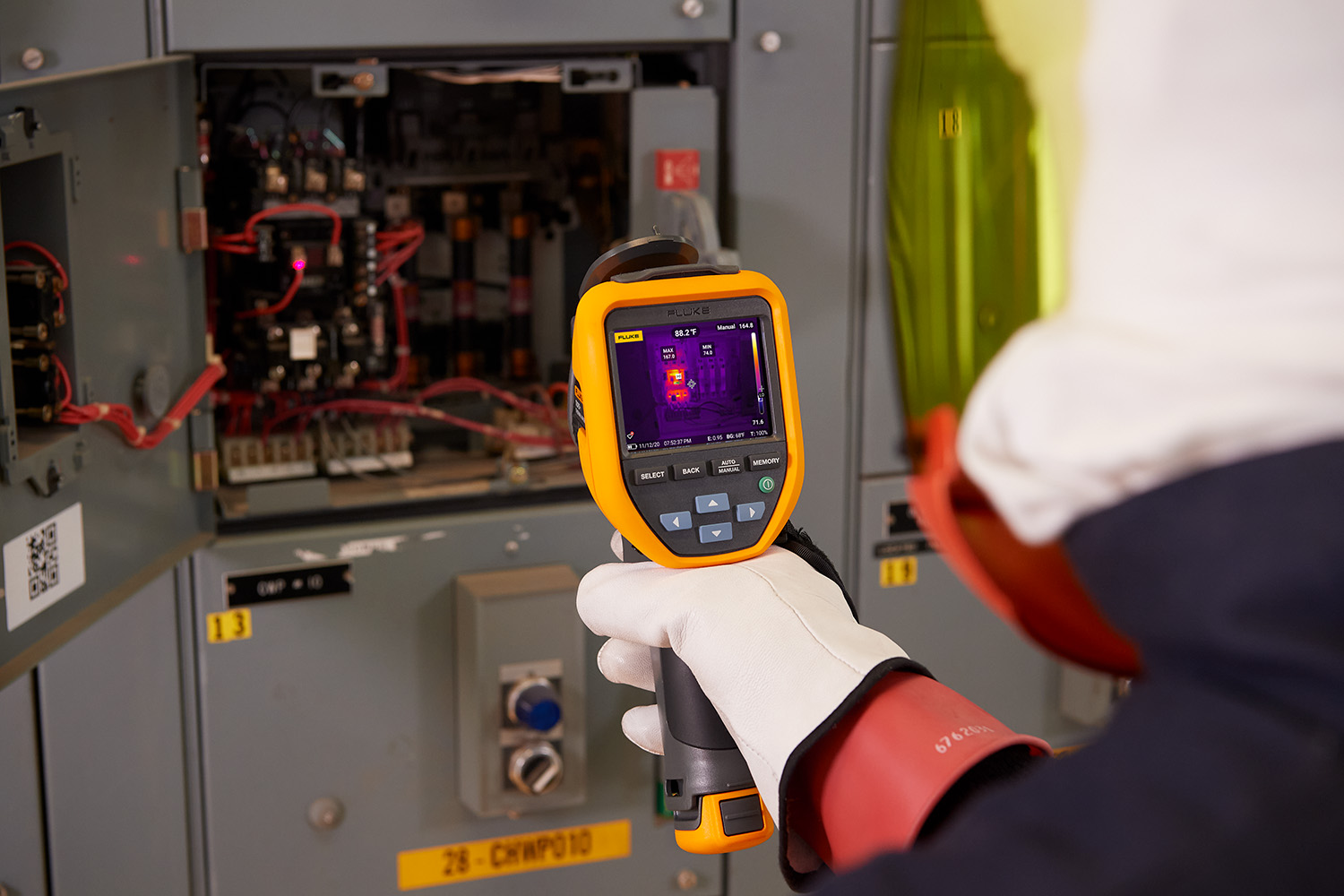
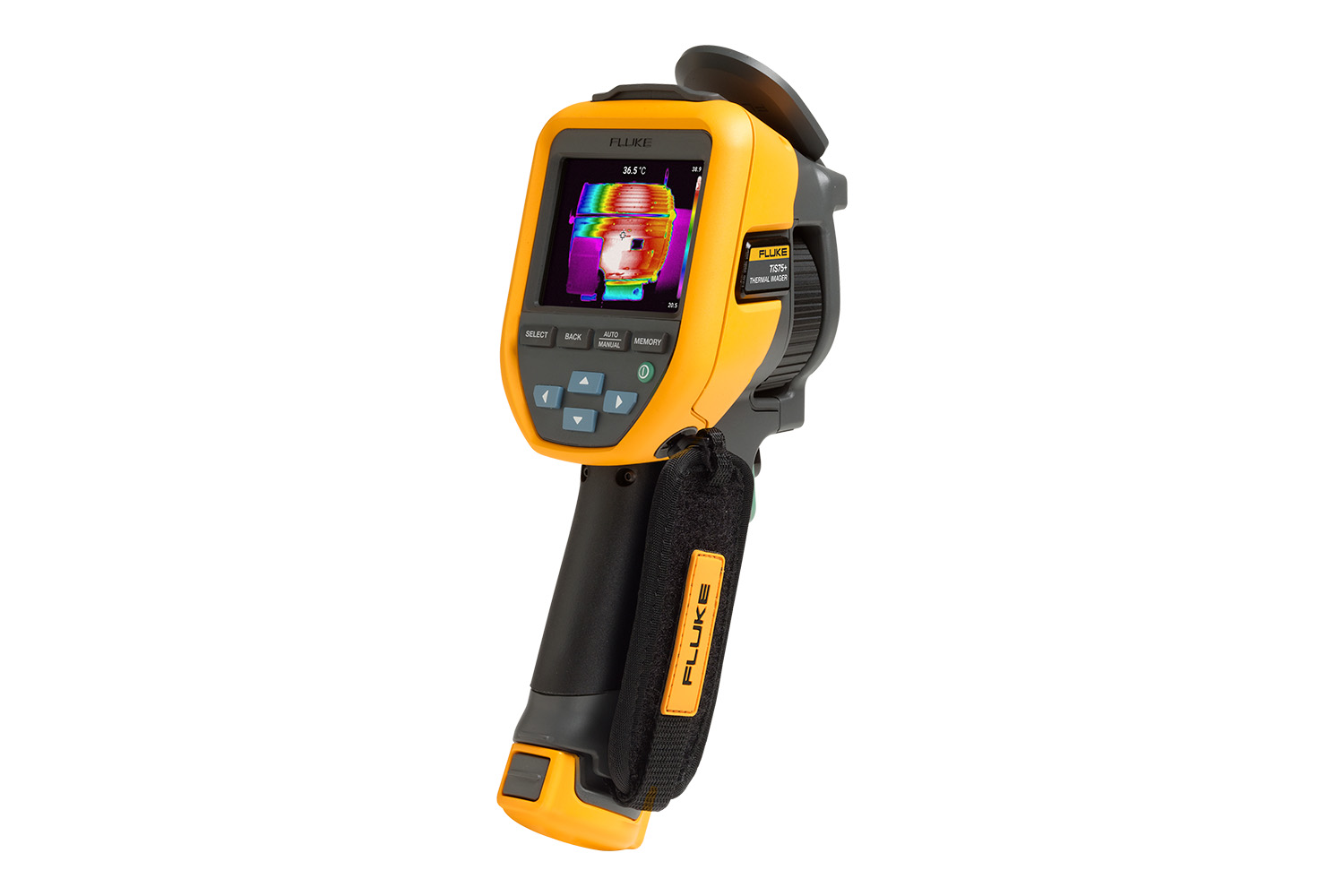
Abnormal temperature is the first sign of trouble. Instead of risky manual checks, using a thermal camera allows you to observe the entire system from a safe distance.
With an infrared resolution of up to 384 x 288 and flexible focusing capabilities, this device helps you accurately detect overheating spots on connectors or switchgear. Features like Asset Tagging also help automatically organize thermal images, making data management safer and more systematic.
3. Leakage current control: Preventing the risk of electric shock and fire
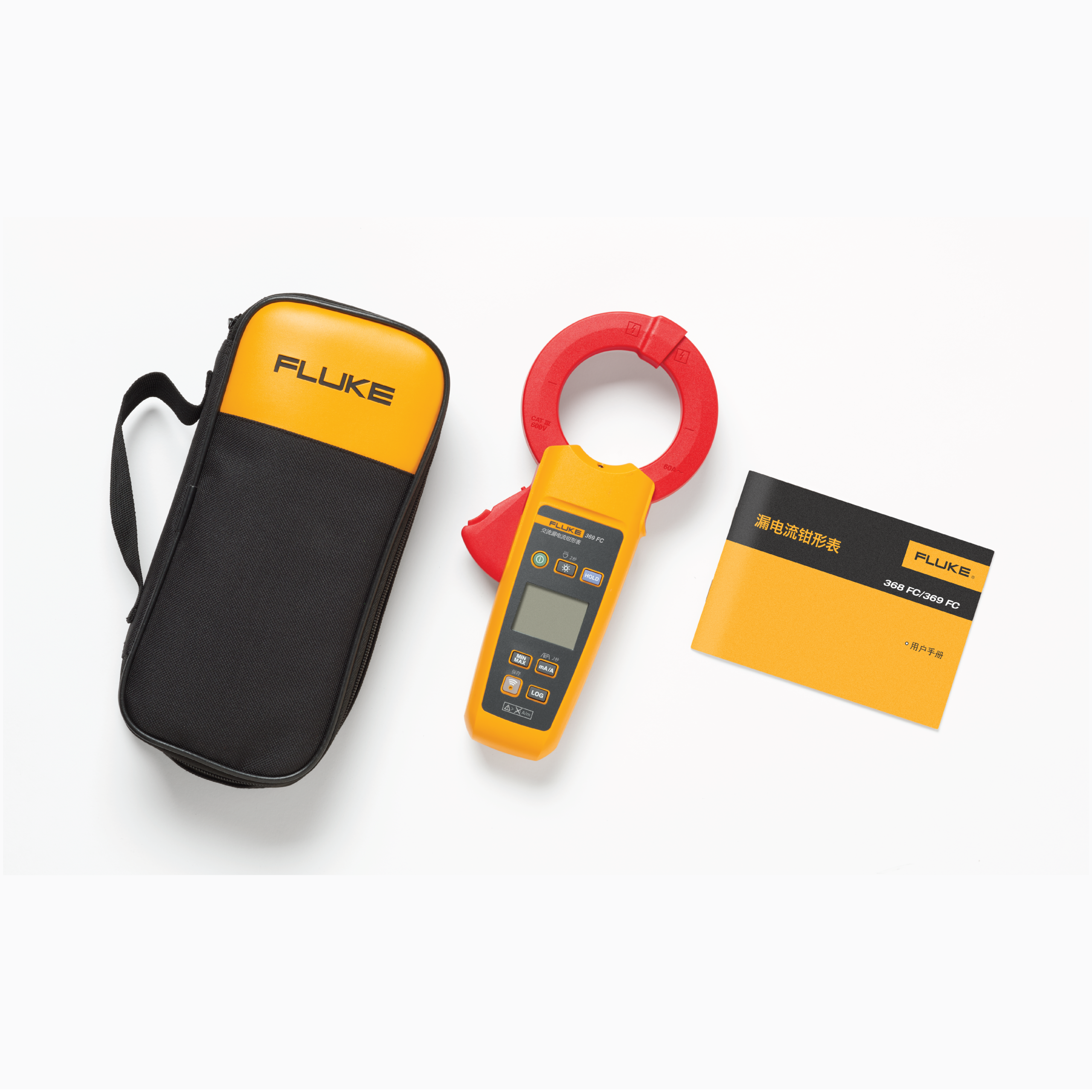
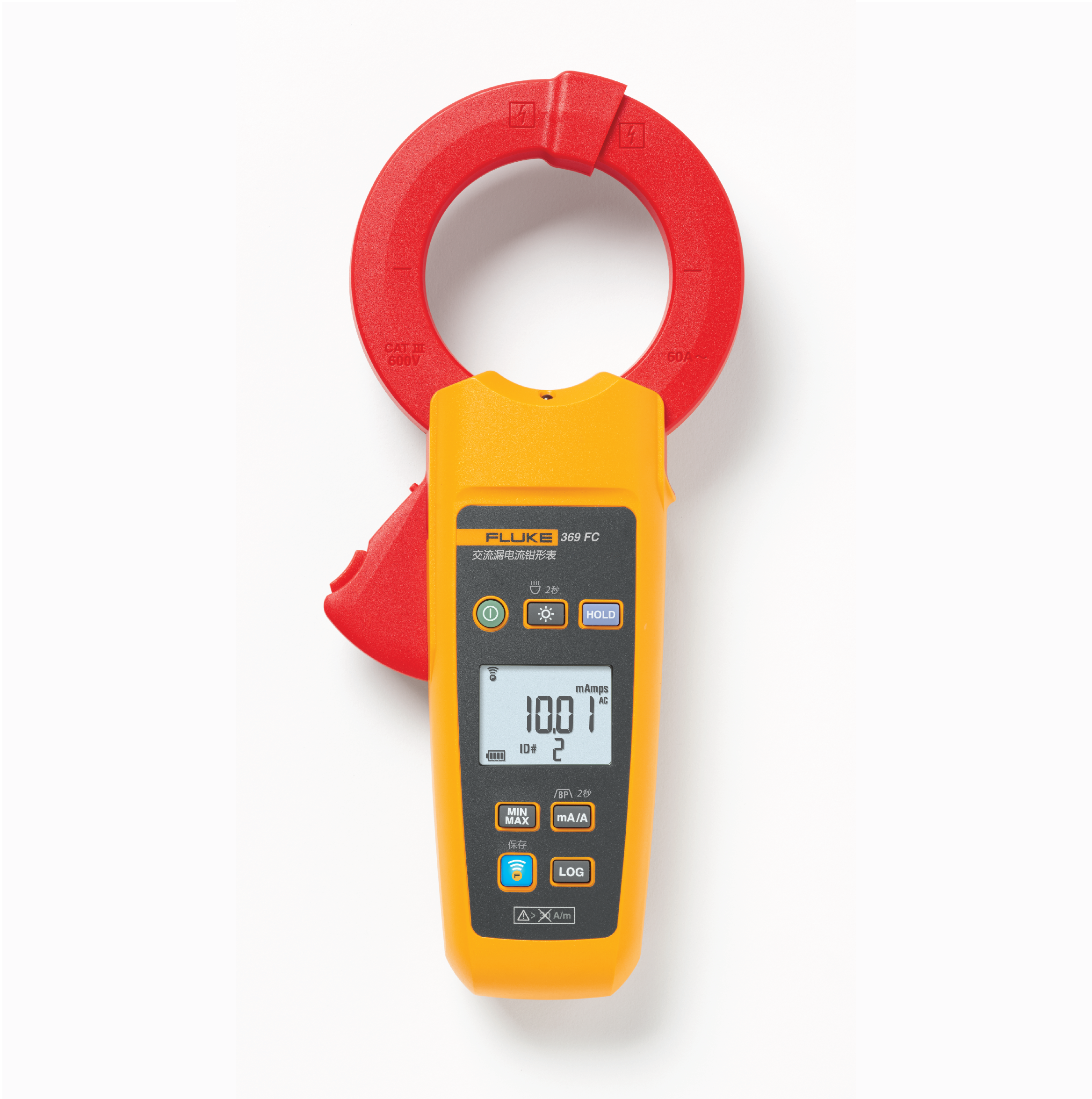
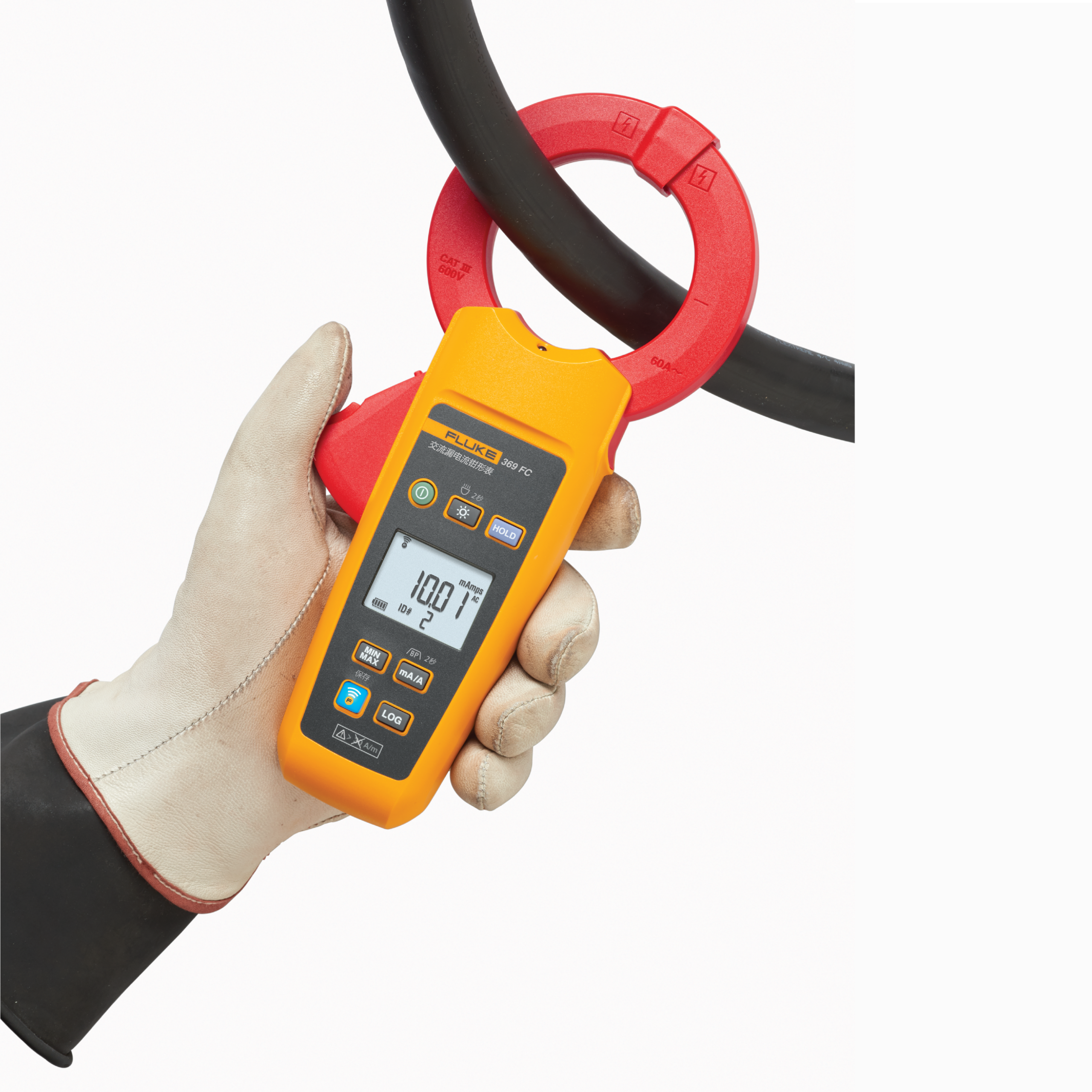
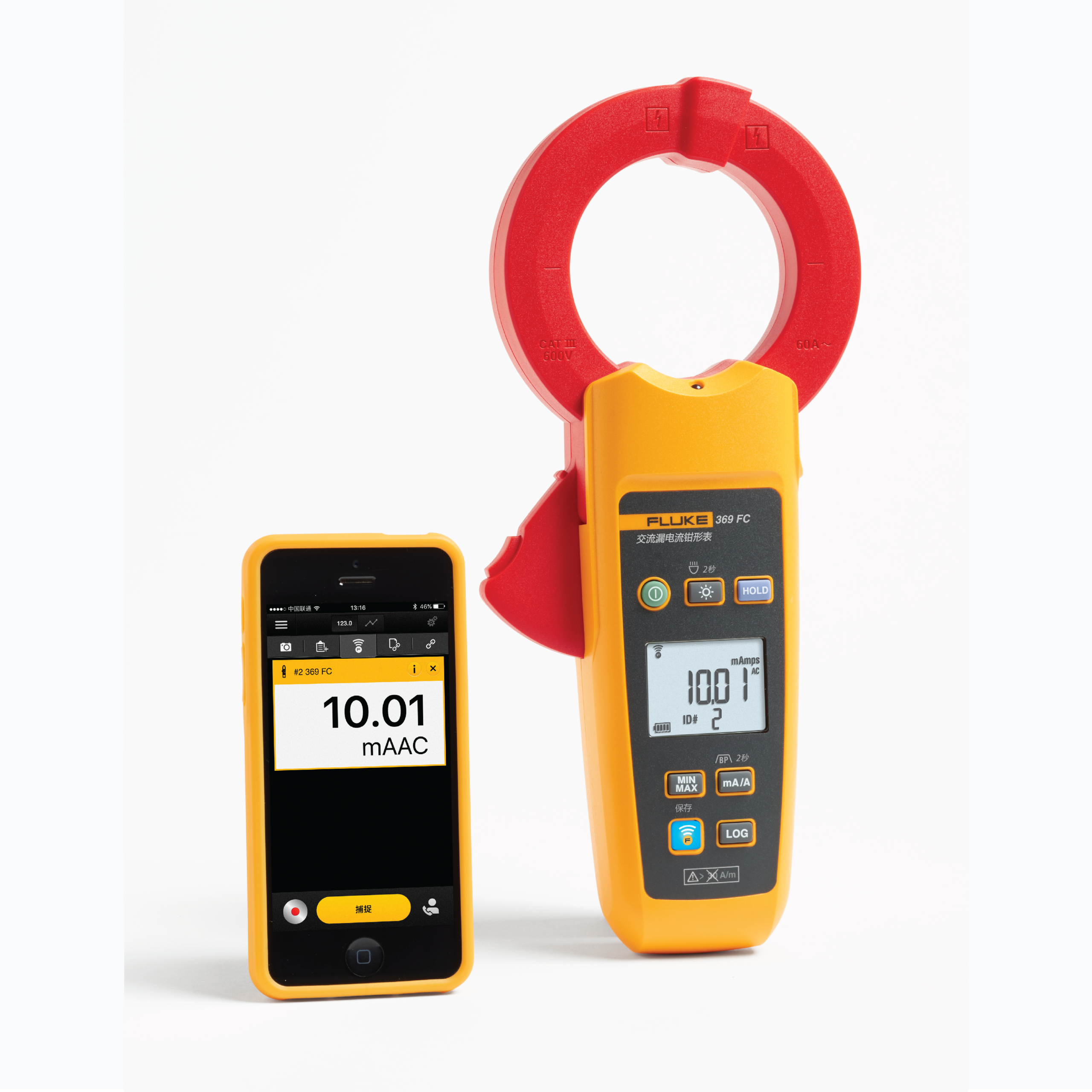
Leakage current not only causes energy loss but is also a “silent killer” that can cause electric shock to operators. Using a dedicated leakage current clamp meter helps you detect incredibly small currents (from 1 μA) without breaking the circuit.
The device features a low-pass filter to eliminate unwanted noise, ensuring accurate measurement results even in complex industrial environments.
4. Insulation resistance testing: Ensuring a safe foundation for the system
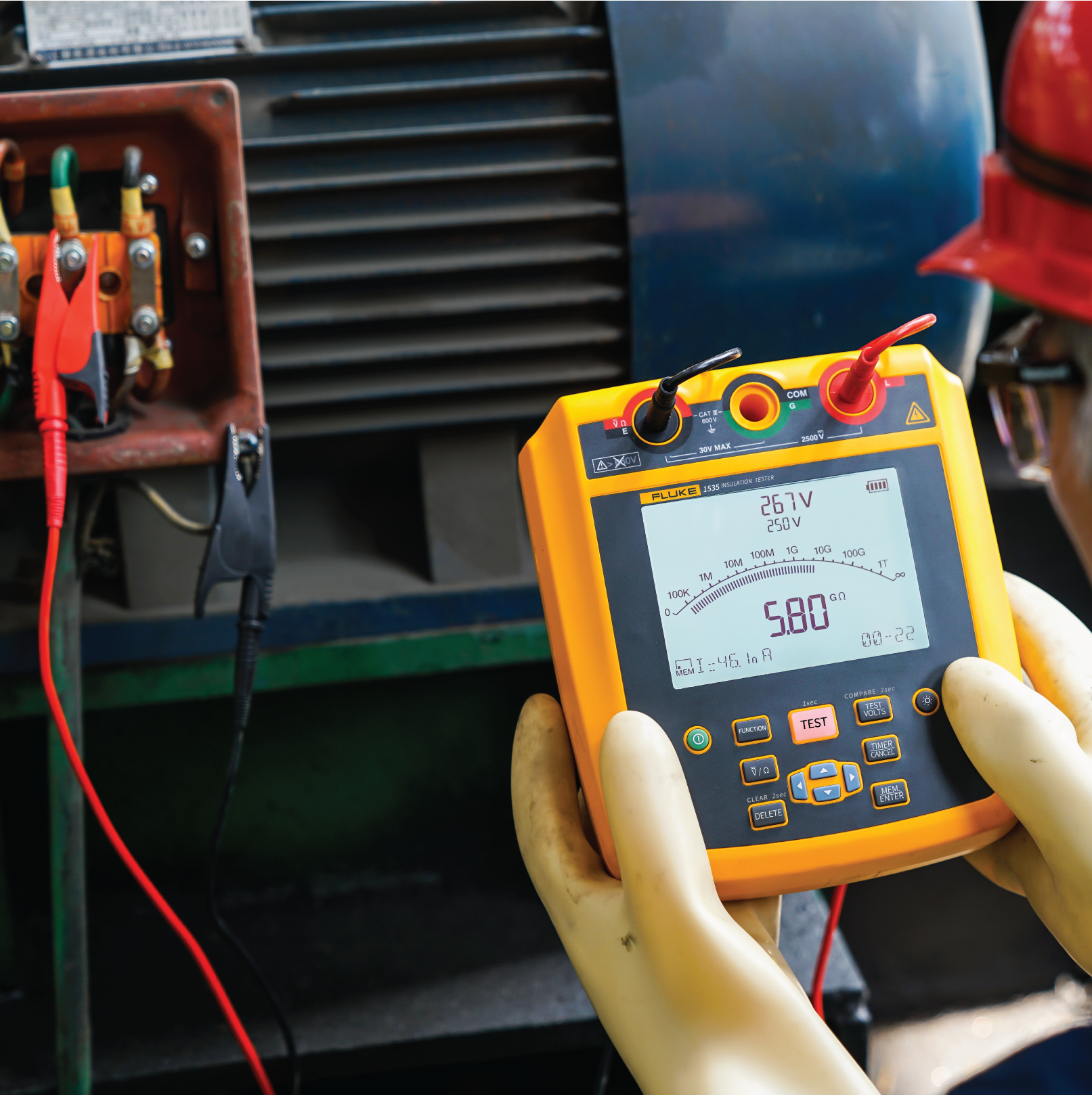
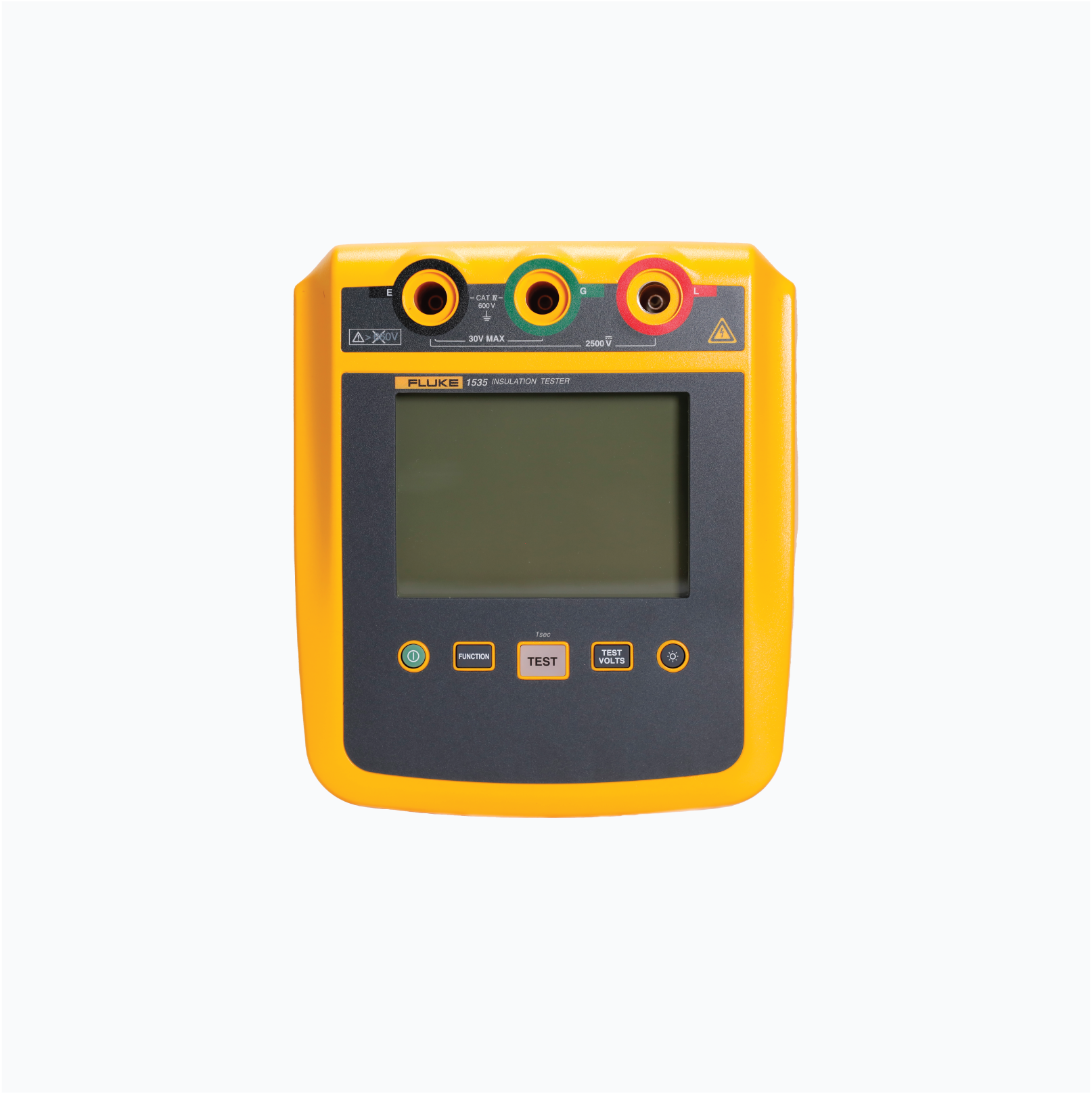
Before energizing for operation, insulation testing is a mandatory step to ensure safety. Modern meters can measure insulation resistance up to 2500V, comprehensively evaluating the condition of cables and motors.
Specifically, the Insulation PreTest feature on multifunction testers warns you if the device is connected to the system, preventing accidental damage to sensitive electronic equipment during measurement.


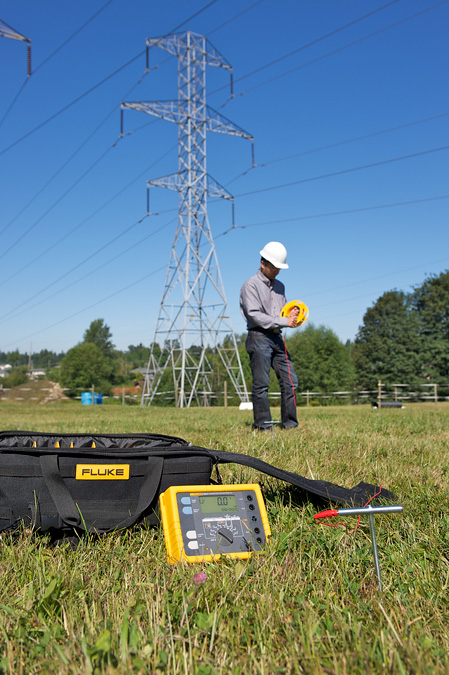
5. Grounding systems: The ultimate line of defense
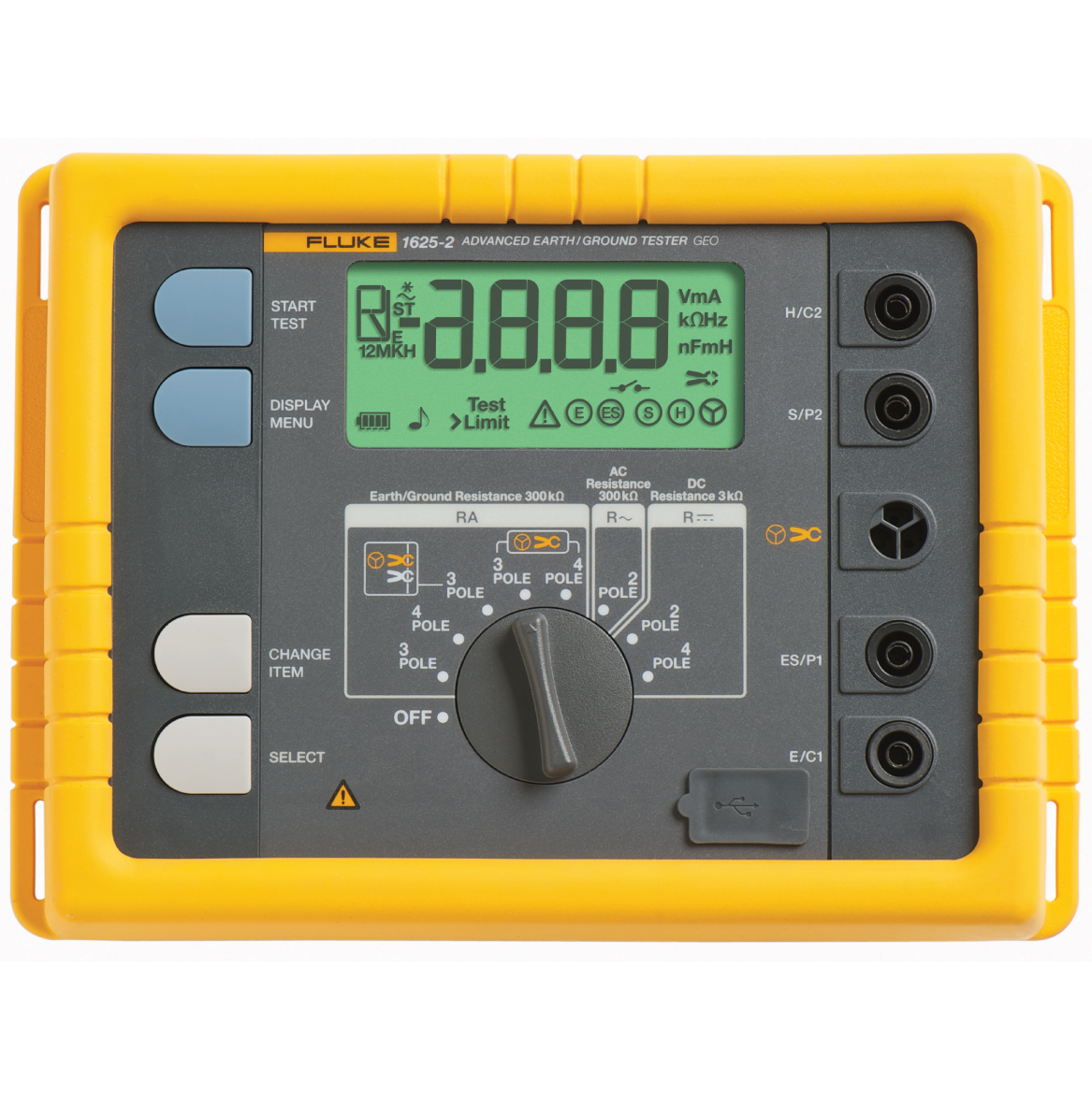
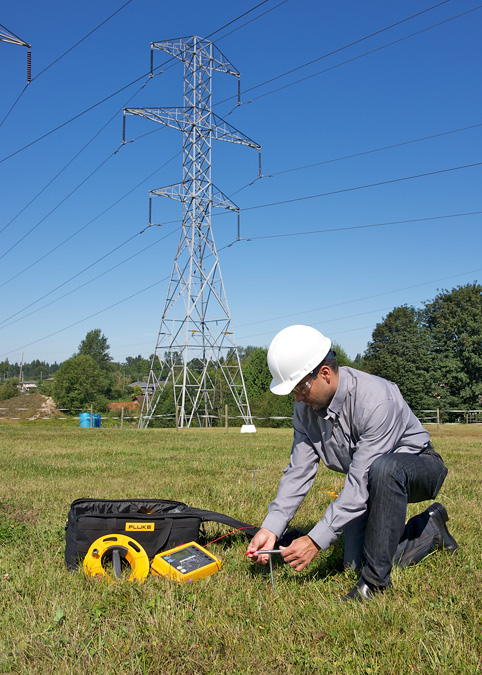
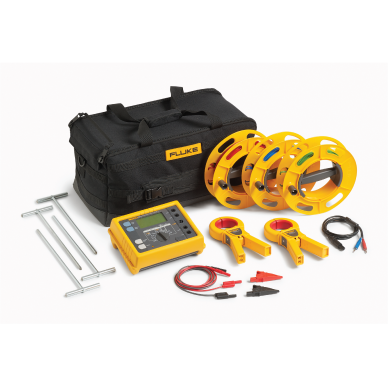
A standard grounding system is vital for safe fault current dissipation. New generation ground testers support the stakeless measurement method, enabling extremely fast and safe measurements without driving ground stakes or disconnecting the existing grounding system.
“Which safety solution are you interested in for your system? Leave a comment for detailed advice from our team of experts.”
Share this post


Related News

Loriot Industrial at VIMF Bac Ninh 2025

Loriot
11/11/2025


Troubleshooting Solar PV Systems: Common Issues and How to Solve Them
Loriot
26/06/2025


💨 How Gas Leak Detection Devices Help Prevent Downtime and Save Energy
Loriot
26/06/2025


